If you are looking for the answer to the question, “What is saffron use?” stay with us to become more familiar with the various aspects of this valuable spice and discover the many applications of saffron.
Saffron plays a key role in flavoring and coloring foods and holds a special place in cooking. It is also widely used in the pharmaceutical industry for stress reduction and mental health improvement. This precious spice, known for its antioxidant properties and skin-brightening abilities, is highly valued in the production of cosmetic and hygienic products. This plant is enriched with potent natural ingredients, offering promising opportunities for innovation in fields such as healthcare, cosmetics, and food production. Due to its unique properties, the use of saffron is also utilized as a main and valuable ingredient in the pharmaceutical, perfume, and even textile industries.
Saffron Uses:
Saffron use in Cooking:
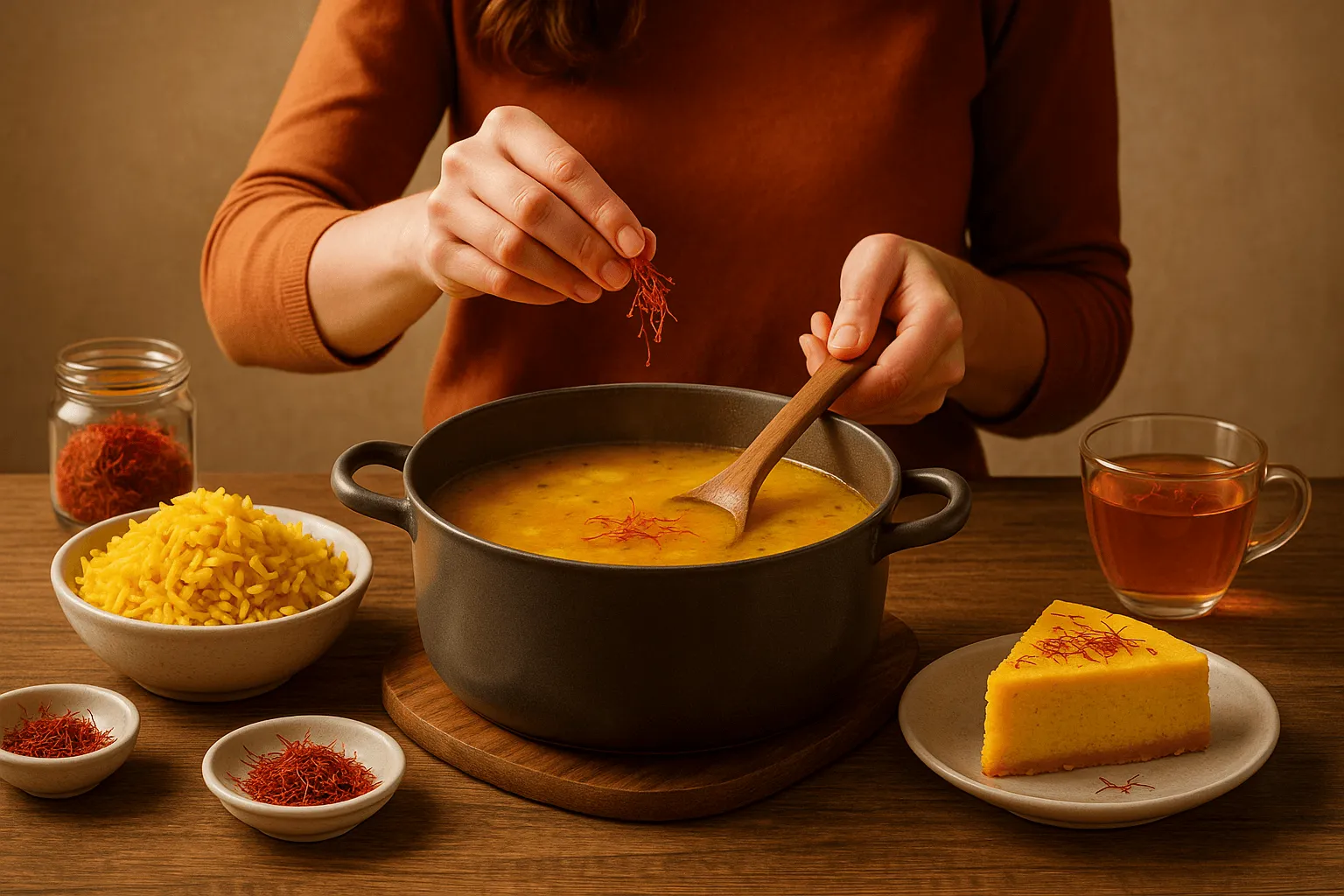
Among the various applications of saffron, its culinary use remains one of the most widespread and cherished. Saffron, with its enchanting aroma and rich taste, transforms dishes into unforgettable culinary experiences. It plays a key role in traditional foods and is recognized as one of the essential ingredients in desserts such as Sholezard (saffron rice pudding) and ice cream. It also holds a special place in beverages like saffron tea and herbal infusions, where its calming properties have made it highly popular among natural drink enthusiasts.
- Coloring and Flavoring: Used as a natural coloring and flavoring agent in various dishes, especially rice and stews.
- Preparation of Syrups and Herbal Teas: Saffron syrup and tea are popular beverages made using this spice.
- Use in Pastry: Employed as a flavoring and coloring agent in a variety of sweets and desserts.
- Jam Making: Its petals are used to prepare saffron jam.
- Seasoning: Used as a flavorful seasoning in various dishes and desserts.
Saffron Use in the Pharmaceutical Industry:
Saffron has been used since ancient times as a medicinal herb in traditional medicine and still holds a special place in modern pharmaceuticals. This valuable plant, due to its anti-inflammatory and antioxidant properties, plays an effective role in relieving stress and anxiety. Consumption as an infusion or with milk improves sleep quality and is effective in treating insomnia. It is also beneficial for depression and significantly reduces its symptoms.
In traditional medicine, saffron use is also recognized as a blood circulation stimulant and aids in improving digestive system function. Today, its therapeutic properties are confirmed by scientific research, and it is used in the production of dietary supplements and herbal medicines for mood enhancement and alleviation of premenstrual syndrome symptoms.
- Improvement of Mental Health: Used for its antidepressant and anxiolytic properties in treating certain psychological disorders such as depression and anxiety.
- Immune System Boost: Contains antioxidants that help strengthen the body’s immune system.
- Enhancement of Brain Function: Consumption can aid memory and brain performance.
- Reduction of Inflammation: Possesses anti-inflammatory properties useful in reducing body inflammations.
- Vision Enhancement: Can help prevent certain eye diseases such as cataracts and macular degeneration.
Saffron Use in Cosmetic and Hygienic Industries:
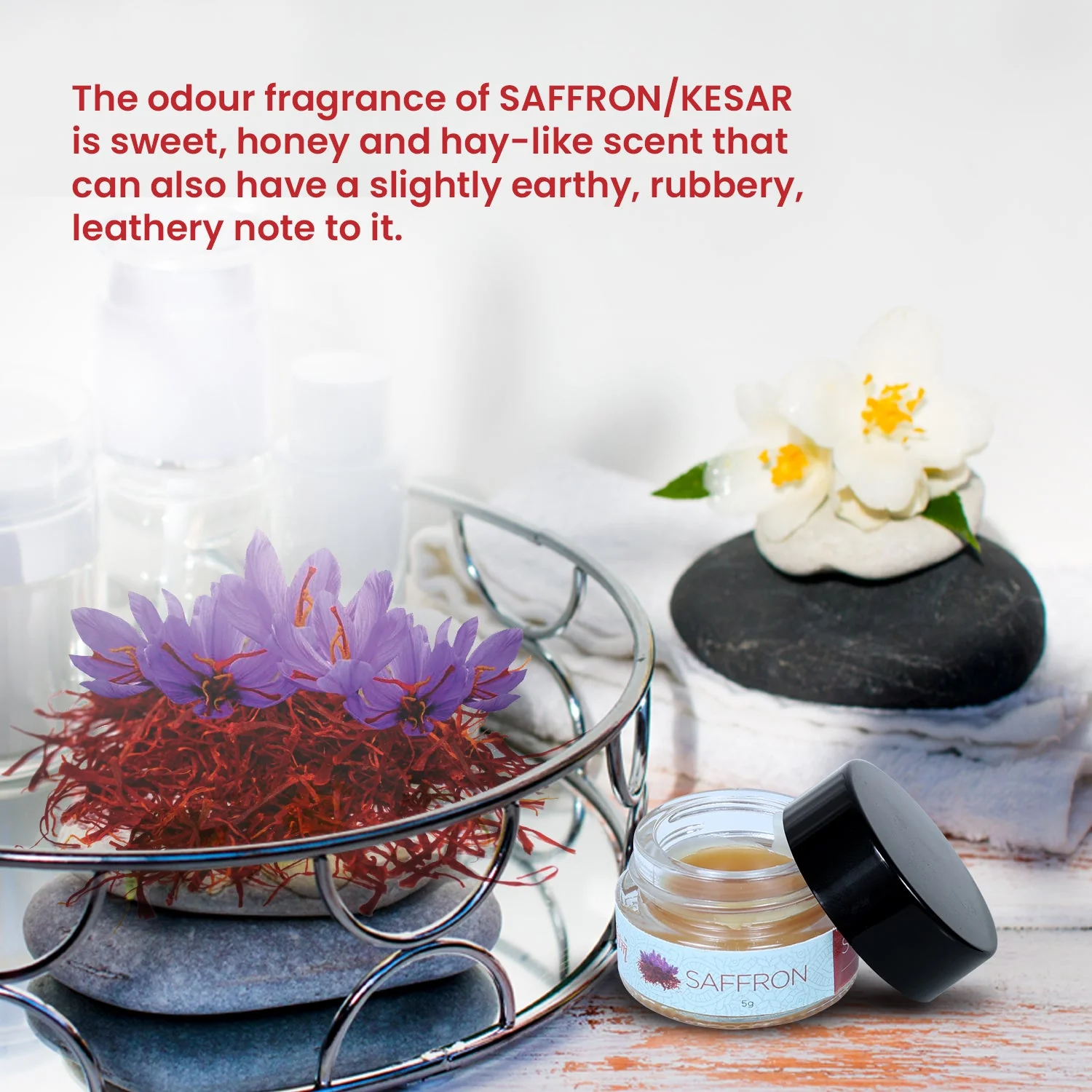
Saffron, Iran’s golden treasure, shines as a prized gem in global cuisine and culture. Because of its beneficial compounds, beyond pharmaceutical and food uses, it has many advantages for skin and hair. Given saffron’s properties, products containing this precious spice are carefully formulated to fully benefit the skin and hair. However, it is always recommended to perform a sensitivity test before use and to purchase products from reputable sources.
- Skin Brightening: Used in cosmetic and hygienic products for its skin-lightening effects.
- Hair Root Strengthening: Can help strengthen hair roots and promote hair regrowth.
Some of the cosmetic and hygienic products using saffron include:
- Facial creams and lotions
- Face masks
- Skin serums
- Anti-wrinkle and anti-aging products
- Eye care products
- Moisturizers
- Shampoos and conditioners
- Skin oils and massage oils
Saffron Use in the Food Industry:
Saffron is not just a spice; it is a distinctive flavor and experience with a place in the food industry that exceeds expectations. From producing aromatic cakes and sweets to luxury beverages, this spice gives food and edible products a special touch. Many reputable food brands use saffron to produce products such as tea, flavored ice creams, or even specialty chocolates to offer unique and lasting products to customers. The use of saffron in these products highlights its versatility and value.
Saffron Use in Textile Industry:
Though it may be surprising, saffron use is also found in the textile industry. Besides its culinary and various industrial applications, this spice serves as a natural and eco-friendly dye in textiles. Historically, it was used to color handwoven fabrics and create traditional patterns, as its bright golden yellow color gave fabrics a unique luster. Even today, saffron is used in producing luxurious and special fabrics as a healthy alternative to chemical dyes.
In recent years, with growing interest in natural dyes and sustainable handicrafts, the applications of saffron in some textile sectors have risen again. Some designers and producers, especially in sustainable fashion and handmade products, use this plant’s dye to offer environmentally friendly fabric options. Yet, its premium value makes saffron a selective choice for artisanal textile production.
Saffron Use in Agriculture:
Agriculture is another sector where the use of saffron is applied. It is used as a natural fertilizer and an additive to animal feed. After harvesting, leftover parts like petals and stems are repurposed into eco-friendly fertilizers that enhance soil health and boost fertility. Some studies have also shown that adding small amounts of saffron to animal feed can improve milk quality and animal health.
Saffron Use in Art and Painting:
Did you know that one of the saffron uses in various industries is in the art and painting industry? It is used as a natural dye in traditional handicrafts and paintings. Artists in some parts of the world use it as a natural dye to create yellow and golden shades in paintings and artistic fabrics. This use of saffron in the art and painting industries is seen especially in historical Iranian and Indian arts.
Saffron Use in Perfumery:
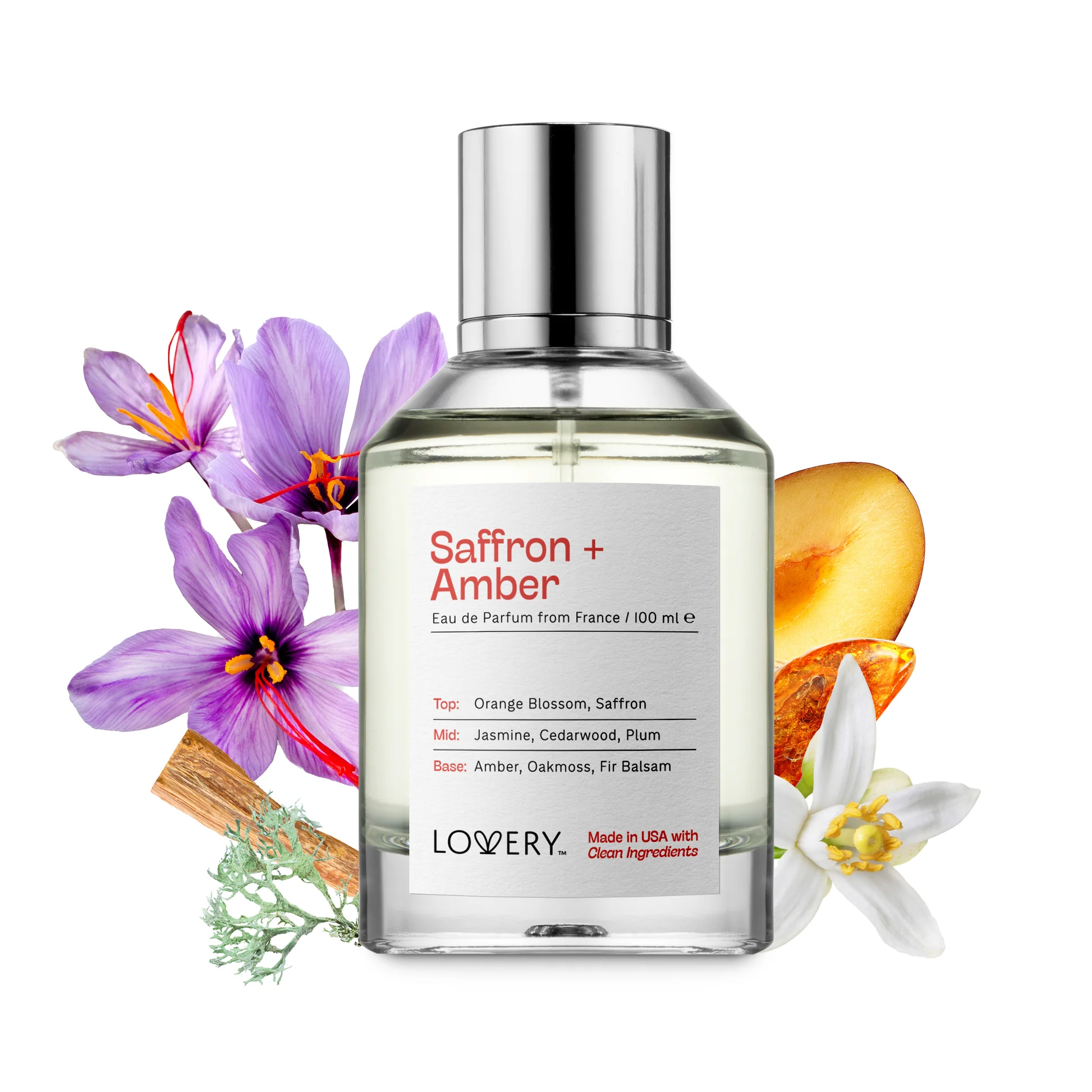
The scent of saffron is a base note often paired with woody fragrances. Its aroma in perfumery can blend with oriental, edible, woody notes as well as rose, iris, and violet flowers. Citrus, clove, cinnamon, and pepper notes can also be present in this combination. Using this small plant’s scent in perfumery and iconic fragrances enhances the perfume’s composition, allowing perfumers to create scents that evoke grandeur and beautiful memories.
Conclusion:
Saffron’s versatility is reflected in its widespread use across multiple industries—from culinary arts and food production to medicine, beauty care, and even textile manufacturing. Its remarkable properties—including antioxidant effects, calming abilities, and benefits for skin and hair health—have established saffron as a highly valued ingredient in many industries.
Add a splash of luxury to your life with our premium saffron! Shop now and enjoy the rich flavor and benefits—hurry!